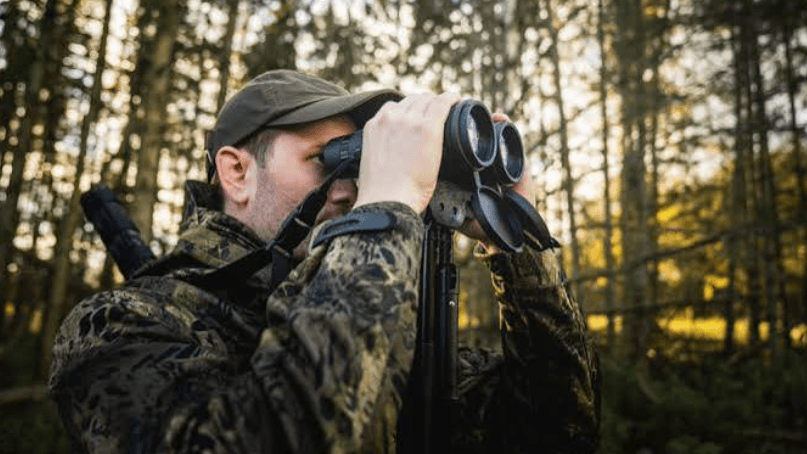
The hunting accessory market presents unique challenges for retailers and distributors due to its pronounced seasonal demand patterns. Understanding how to approach hunting scope wholesale purchasing with this seasonality in mind can significantly improve inventory management and overall business profitability.
Understanding Seasonal Demand Patterns
Pre-Season Buying Surges
Hunting scope demand typically surges in the weeks and months leading up to major hunting seasons, as customers prepare their equipment ahead of opening day. Retailers who fail to anticipate this timing risk missing significant sales opportunities due to inadequate inventory levels.
Regional Variation in Seasonal Timing
Hunting seasons vary considerably by region and game type, meaning retailers serving customers across different geographic areas must account for staggered demand peaks throughout the year rather than assuming a single, uniform seasonal pattern.
Planning Wholesale Orders Around Seasonal Timing
Lead Time Considerations for International Sourcing
International shipping and production lead times must be factored into wholesale order planning well in advance of anticipated demand peaks, particularly when sourcing from overseas manufacturers where shipping alone can take several weeks.
Balancing Pre-Season Inventory Investment With Cash Flow
Building sufficient pre-season inventory requires significant upfront capital investment, making it important for retailers to balance anticipated sales opportunity against realistic cash flow constraints when planning wholesale purchase timing and volume.
Product Selection for Seasonal Hunting Markets
Matching Scope Features to Regional Hunting Conditions
Different hunting environments, from dense forest terrain to open plains, benefit from different scope configurations and magnification ranges. Understanding the specific hunting conditions relevant to a retailer’s customer base helps guide more effective product selection.
Balancing Budget and Premium Options
Hunting customers span a wide range of budgets and experience levels, making it valuable for retailers to offer hunting scopes across multiple price tiers to capture the full spectrum of potential customers within their market.
Managing Post-Season Inventory
Avoiding Excess Inventory Carrying Costs
Overestimating pre-season demand can leave retailers with excess inventory carrying costs throughout the off-season, making accurate demand forecasting an important skill for hunting accessory retailers to develop over time.
Strategies for Off-Season Sales
Some retailers develop off-season promotional strategies to help move remaining inventory before the following year’s pre-season buying cycle begins, improving overall inventory turnover and cash flow.
Retailers planning seasonal wholesale purchasing can review available product options and capabilities through hunting scope wholesale resources detailing offerings relevant to seasonal hunting markets.
Building Supplier Relationships That Support Seasonal Planning
Communicating Seasonal Needs Clearly
Establishing clear communication with wholesale suppliers about anticipated seasonal demand helps ensure adequate production capacity and shipping timelines are planned appropriately in advance.
Evaluating Supplier Flexibility During Peak Periods
Understanding how a supplier handles increased order volume during peak seasonal periods, including potential lead time extensions, helps retailers plan more realistic inventory timelines.
Forecasting and Data-Driven Purchasing Decisions
Using Historical Sales Data
Retailers with several years of sales history can use historical demand patterns to make more accurate wholesale purchasing decisions, reducing the risk of both stockouts and excess inventory in future seasons.
Adjusting for Market Trends and External Factors
Beyond historical patterns, retailers should remain attentive to broader market trends, including changes in hunting participation rates or regulatory changes, that might influence demand beyond typical historical patterns.
See also: The Ultimate Beginner’s Guide to Cryptocurrency
Frequently Asked Questions
How far in advance should retailers place wholesale orders for hunting scopes? Given international shipping and production lead times, many retailers begin planning pre-season orders several months in advance of anticipated peak demand periods.
What strategies help manage excess inventory after hunting season ends? Off-season promotional pricing and diversifying into related off-season product categories can help retailers improve inventory turnover throughout the year.
How can retailers improve demand forecasting accuracy over time? Analyzing historical sales data alongside broader market trends helps retailers develop increasingly accurate demand forecasts for future wholesale purchasing decisions.
Conclusion
Successfully navigating hunting scope wholesale purchasing requires careful attention to seasonal demand patterns, lead time planning, and inventory management. Retailers who develop strong forecasting practices and supplier communication are better positioned to maximize sales opportunities while minimizing excess inventory risk.