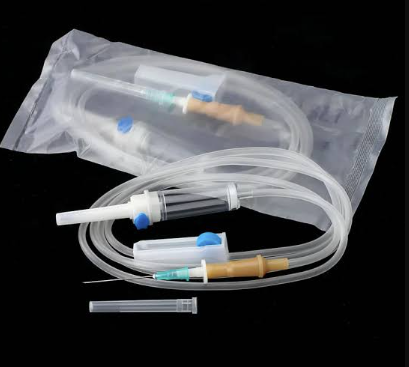
Long-term care settings have different equipment priorities than acute hospitals, and understanding IV set types and uses in this specific context helps facility staff plan supply orders more realistically.
Prioritizing Simplicity for Lower Acuity Patients
Many long-term care residents on maintenance fluids or intermittent antibiotics do well with simple gravity-fed sets, avoiding the added cost and complexity of pump-compatible equipment.
Extension Sets for Reduced Disruption
Residents who need occasional additional access benefit from extension sets that avoid disturbing an already-placed primary line.
Managing Mobility-Friendly Setups
Since many long-term care residents remain ambulatory, sets with longer, more flexible tubing support daily movement without frequent disconnection.
Balancing Cost With Clinical Need
Facilities operating on tighter budgets often prioritize versatile, lower-cost gravity sets while reserving pump-compatible sets for residents with more complex regimens.
Additional Resource
Reviewing iv set types and uses alongside a facility’s typical resident acuity mix helps align purchasing with real day-to-day needs rather than generic hospital assumptions.
Frequently Asked Questions
Do long-term #care facilities need the same IV equipment as hospitals?
Not usually to the same extent; resident acuity is often lower, which shifts equipment priorities toward simplicity and mobility.
Are pump-compatible sets ever necessary in long-term care?
Yes, for residents with complex medication regimens or conditions requiring tightly controlled rates.
See also: High Pressure Laminate Sheets: Understanding the Manufacturing Process
How does resident mobility affect IV set choice?
Ambulatory residents benefit from longer, flexible tubing, while bedridden residents may do fine with standard-length sets.
Conclusion
Long-term care facilities benefit from thinking about IV set selection through the lens of their actual resident population rather than defaulting to acute-care assumptions. A tailored approach keeps both costs and clinical outcomes in better balance.