
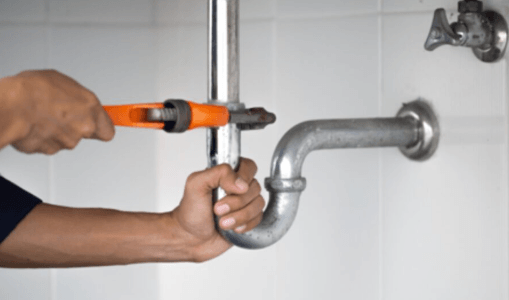
Installing home plumbing requires careful planning of water supply, drainage, and vent layouts that meet code requirements. Prepare a detailed design, material list, and safety plan before work begins. Use appropriate tools, PPE, and proper sealants; fit joints and valves securely and test for leaks. Follow step-by-step repairs, conduct pressure tests, and document procedures. Regular inspections and winterization are essential, and complex or high-risk tasks should be delegated to a licensed professional if needed. The method you choose will shape what comes next.
What “Installing Home Plumbing” Really Covers
Installing home plumbing involves more than placing pipes and fittings; it encompasses the design, layout, and installation of water supply, drainage, and vent systems to meet code requirements and ensure reliable operation.
The discussion defines installation scope and system coverage, clarifying boundaries and responsibilities.
It outlines regulatory constraints, essential inspections, and documentation, guiding installers toward compliant, safe, and dependable plumbing installations.
Tools, Materials, and Safety You’ll Actually Need
A clear list of essential tools, materials, and safety practices is foundational to successful home plumbing work; understanding what to have on hand prevents delays and reduces risk.
The guide emphasizes tools and safety, durable hand tools, a dependable adjustable wrench, pliers, pipe cutter, tubing, sealants, and leak-detection gear.
Materials and budgeting are planned, compliant, and prioritized for reliable, safe installations.
See also: The Ultimate Beginner’s Guide to Cryptocurrency
Step-by-Step Fixes: From Leaks to Supply Lines
When addressing leaks and supply lines, a methodical approach is essential: identify the source, assess the damage, and select appropriate repair or replacement methods that meet safety standards.
The guide presents installing systems overview steps for securing joints, valves, and pipes, with documented procedures and strict safety considerations to minimize risk, ensure compliance, and preserve system integrity throughout installation and repair activities.
Troubleshooting, Maintenance, and When to Call a Pro
Regular maintenance and vigilant troubleshooting are the natural follow-ups to the installation process, ensuring systems operate within design parameters and for the full service life of the plumbing setup.
The guide emphasizes leak prevention through regular inspections, fitment checks, and pressure testing.
It warns about pipe freezing risks in cold environments and recommends insulation, shutoff accessibility, and prompt professional assessment if anomalies appear.
Conclusion
In summary, proper home plumbing requires careful planning, code-compliant design, and precise execution. Each step—from material selection to joint fitting, sealing, and leak testing—must prioritize safety and reliability. Maintain thorough documentation and conduct regular inspections, especially in cold environments. Use appropriate protective gear, follow manufacturer instructions, and observe local codes. When in doubt or facing complex tasks, consult a licensed professional to avoid costly mistakes and keep systems functioning smoothly—better to prevent problems before they arise. It’s a ticking clock.
